Surface Design Show: Material Evolution and the Intelligence of Making
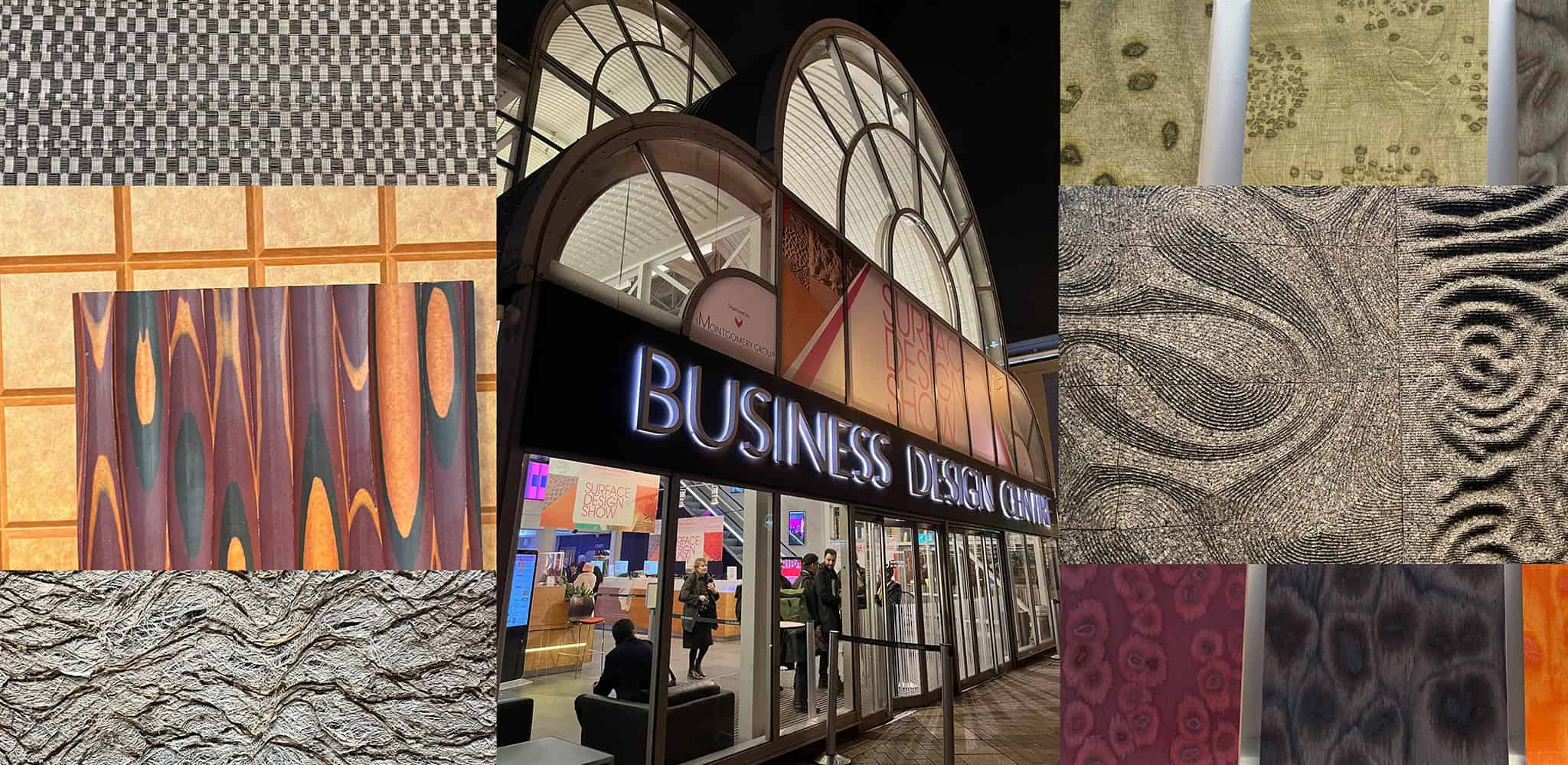
A week on from the Surface Design Show, it’s clear that many extractive patterns still dominate the materials industry. At the same time, there were encouraging signs of change, moments where material thinking slowed down and questions of origin, craft, and future life came to the fore.
What remains most present is material intelligence: the quality of thought embedded in how materials are sourced, crafted, and allowed to evolve over time.
We were grateful to have our work nominated in the Regenerative Design category this year, alongside practices exploring materially grounded, circular approaches. Yet the most compelling conversations at the show were taking place quietly, through materials themselves, particularly within Surface Spotlight, positioned at the heart of the exhibition.
Curated by Sally Angharad, this year’s theme, Material Evolution, framed materials not as finished products, but as processes shaped by time, use, repair, and reinterpretation.
This perspective aligns closely with regenerative thinking, where materials are understood not as inert resources, but as active participants within living systems.
Surface Spotlight: Material Evolution
Within Surface Spotlight, evolution was expressed through restraint, craft, and material literacy rather than technological spectacle. Attention was given to how materials age, how they hold memory, and how value can be deepened rather than extracted.
One practice we were drawn to was Megan Leech, a London-based textile designer whose handwoven horsehair work reflects deep material literacy. The pieces show what’s possible when craft and technical understanding meet, surfaces made to sit comfortably within a space, not dominate it.
Material intelligence across the wider show
Beyond Surface Spotlight, other exhibitors across the show reinforced a broader shift towards slower, more intentional material thinking.
Alba Silk showcased handwoven silk and paper surfaces that challenge conventional ideas of innovation, reminding us that progress is often found in the careful evolution of traditional techniques.
Materials Assemble presented experimental material samples that reframe waste as resource inviting new relationships between discarded matter, maker, and use.
Regenerative design in practice
It was encouraging to see the Regenerative Design category awarded to Liza C Design for Agri-Fruit-Bag, a project transforming agricultural fruit-waste sacks into new surface applications.
The strength of the work lies in its clarity of intent: an overlooked waste stream reworked into something functional, tactile, and purposeful. It offers a clear example of circular thinking grounded in real material flows and a reminder that regenerative innovation often begins with close attention to what already exists.
Beyond novelty: materials with a future
What connected the most compelling work across the show was intent rather than trend. These were materials designed to be understood, repaired, re-used, and to remain in relationship with people and place.
In an industry driven by speed and replacement, this slower, more considered approach feels essential. Regenerative design asks us to move beyond harm reduction towards active contribution designing materials and surfaces that support long-term wellbeing, cultural continuity, and ecological responsibility.
As designers and makers, our role is not to specify endlessly, but to choose carefully and to help others recognise the value of materials that carry meaning, not just function.
Surface Spotlight’s focus on Material Evolution offers a timely reminder: the future of design may depend less on what is new, and more on how wisely we evolve what already exists.